Project Status
Established
2023
Sector
Humanitarian Aid & Education
Executive Summary
The Scaling Learning and Emotional Support program-SLES in short, is a program designed to support displaced children aged of 9- 14 years who face trauma, who have no access to enough learning resources, who lack food and joy from their family members. Our strategy, we provide play-based activities, expose them to creative challenges and innovation to help them shift mind to positive attitude and healing. With their parents/caregivers, teachers, community leaders, and religious leaders, we organize be-weekly training session where we provide them with parenting information in order to adequately support their children as their grow up to become adult and self-leaders.
- INTRODUCTION.
The Scaling Learning and Emotional Support program-SLES in short, is designed to support displaced children aged of 9- 14 years who face trauma, who have no access to enough learning resources, who lack food and joy from their family members. Our strategy, we provide play-based activities, expose them to creative challenges and innovation to help them shift mind to positive attitude and healing.
With their parents/caregivers, teachers, community leaders, and religious leaders, we organize be-weekly training session where we provide them with parenting information in order to adequately support their children as their grow up to become adult and self-leaders.
2. ABOUT THE PROGRAM.
With Scaling Learning and Emotional Support, we deliver unrestricted facilitation by guiding children, parents/caregivers, school teachers, community and religious leaders to explore CASEL curriculum, utilize information and skills for mental health. The facilitation concentrates but not limited to 5 interconnected competencies:
2.1. Self-awareness: Children are guided to discover positive and negative emotions, know their strengths and weaknesses, identity, and what trigger the negative and positive feelings.
2.2. Self-management: Children are introduced to techniques to regulate their emotions, negative and positive feelings, coping with stress, setting goals, and maintain motivation.
2.3. Social Awareness: Children are given information of the value and importance of empathy, perspective-taking, appreciation of diversity, and understanding others regardless the differences.
2.4. Relationship Skills: Children are incited to build positive connections, positively communicate and cooperate, some ways to resolve conflict, seek or offer help.
2.5. Responsible decision-making: Children guided how to examine a situation, ethically make choices and decision by considering consequences.
2.6. Parenting Styles: targets caregivers (parents) for nurturing roles, child development understanding, positive parenting/discipline, and home reinforcement while for teachers and community members, is to help them integrate SEL components during their class sessions and during home and community engagement activities for the benefit of the children.
The program uses participatory, discussion-based, drama, role-play, and group activities in safe community spaces. The facilitation principles include not limited to equality, trust, confidentiality, active listening, time management, positive feedback, adaptability, and encouraging pluralistic ideas.
3. KEY ACTIVITIES IN THE PROGRAM.
3.1 Community mobilization: Through our dedicated community volunteers, we visit children in their living blocks and get to interact with them through permission of their parents or guardians. The aim is to get them motivated and enroll into our SLES program.
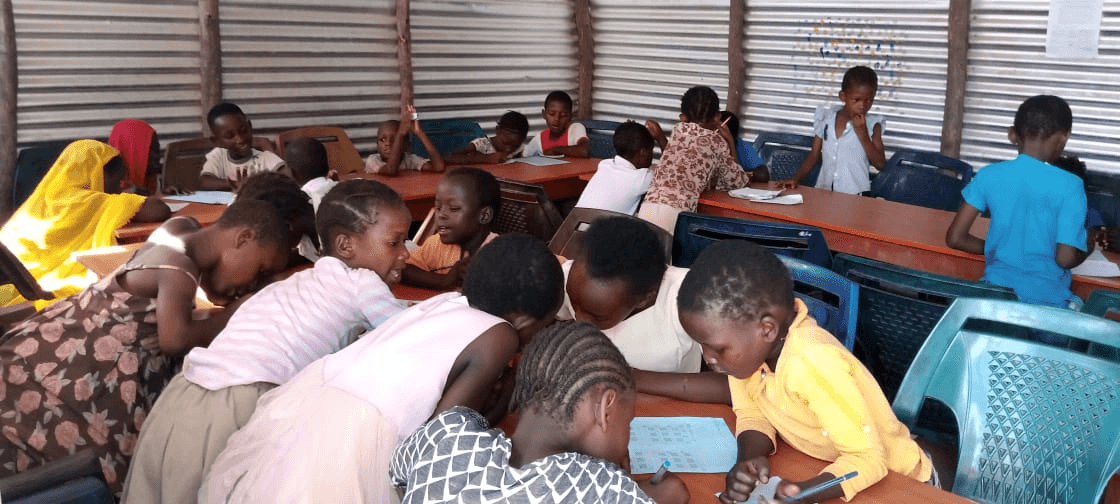
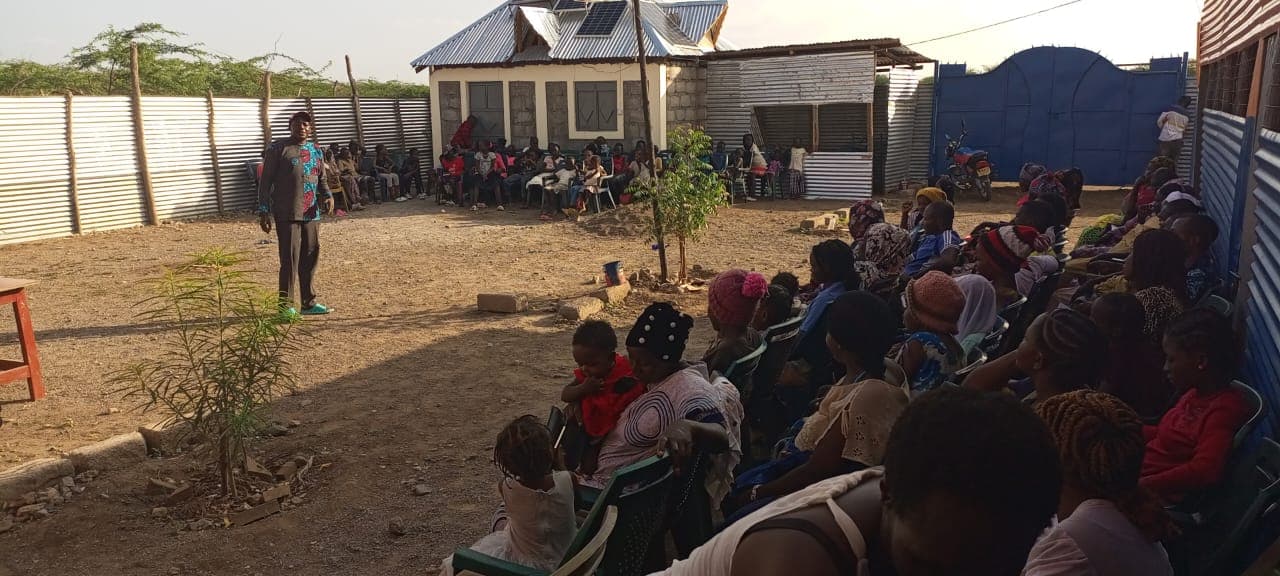
3.2. Topic Facilitation: Our trained facilitators/volunteers organize three sessions in a week within Wings To Fly Initiative Learning space and explore together with children the components of SEL as described in the SACEL curriculum. And After two weeks, parents/caregivers, teachers, community leaders including religious leaders convene to discuss the parenting styles, leadership and communication components.
3.3. Sports and Play: Two days in a week,our trained facilitators/volunteers organize, Ludo games, Soccer, skipping role, card, building challenges, singings ad dances.
Each topic session and outdoor activity for both children and parents are planned and executed as per the covered topic in the indoor activities.
3.4. Community outreach and feedback session: Wings To Fly Initiative board of managers, organize monthly meeting follow-up in the community blocks and at the center to discuss with the program participants the mind shift, power dynamics and tools and approaches.
4. WHY IMPLEMENTING THIS PROGRAM?.
In Kakuma, children go through a lot when it comes to live condition. Trauma, stress, anxiety, withdrawal, conflicts, low self-esteem and uncertainty at a pivotal developmental stage affect negatively their development. Without support-especially outside school, during vacation time risks rise and consequently this lead to permanent isolation, school dropouts, negative behavioral change and poor relationships.
SLES addresses this by empowering children with SEL skills to manage emotions, form diverse friendships, solve problems, make responsible choices, and thrive-reducing anxiety, boosting confidence, school engagement, and lowering dropout risks. It equips parents/caregivers to understand nurturing roles and responsibilities, identify child stress, use positive language, apply non-violent discipline, and support emotional development at home-strengthening family bonds and home environments. Teachers learn to integrate SEL into classrooms, simulate positive practices, promote empathetic discipline, and model calm-creating supportive schools and reducing burnout.
Wing To Fly Initiative is committed to continue supporting its program participants by fostering collective healing, stress coping, empathy, and belonging. SLES transforms survival into thriving, building resilient families/communities equipped with knowledge or information for brighter futures.